
Mining Equipment Maintenance Guide: Extend Machine Life & Reduce Downtime
Unplanned downtime is the biggest cost in any mining or quarry operation. This practical maintenance guide covers crushers, screens, and conveyor belts.
Why Maintenance Is Your Biggest Cost Driver
In most mining and quarry operations, unplanned equipment downtime costs 3–5× more than scheduled maintenance. A broken jaw crusher can halt an entire processing plant for days. A worn screen mesh delivers off-spec product that gets rejected by customers. A seized conveyor bearing can cascade failures across the whole line.
This guide covers the essential maintenance practices for the three most common pieces of Pillar equipment.
Jaw Crusher Maintenance
Daily Checks
- Inspect jaw plates for wear — replace when wear reaches 2/3 of original thickness
- Check tension of the toggle plate and springs
- Lubricate all bearing points per the schedule
- Check oil level in the eccentric shaft bearing housings
- Listen for unusual sounds — knocking usually means loose fasteners or a worn toggle
Weekly / Monthly
- Inspect the flywheel and V-belt tension
- Check and retighten all anchor bolts
- Inspect and clean the dust seals
- Measure the CSS (closed side setting) and adjust if product size drifts
Key Wear Parts to Keep in Stock
Jaw plates (fixed and swing), toggle plate, toggle seat, bearing seals, V-belts.
Vibrating Screen Maintenance
Daily Checks
- Inspect screen mesh for holes, tears or blinded panels — replace immediately
- Check vibration amplitude (use a strobe tachometer or vibration sensor)
- Lubricate eccentric shaft bearings per schedule
- Check that all screen panels are properly tensioned — loose panels cause premature failure
Bearing Temperature
Normal operating temperature for screen bearings: 60–80°C. Above 85°C indicates insufficient lubrication or overloading. Stop the machine and investigate before catastrophic failure occurs.
Key Wear Parts to Keep in Stock
Screen meshes (woven wire, polyurethane, rubber), bearing sets, eccentric shaft seals, screen tension springs.
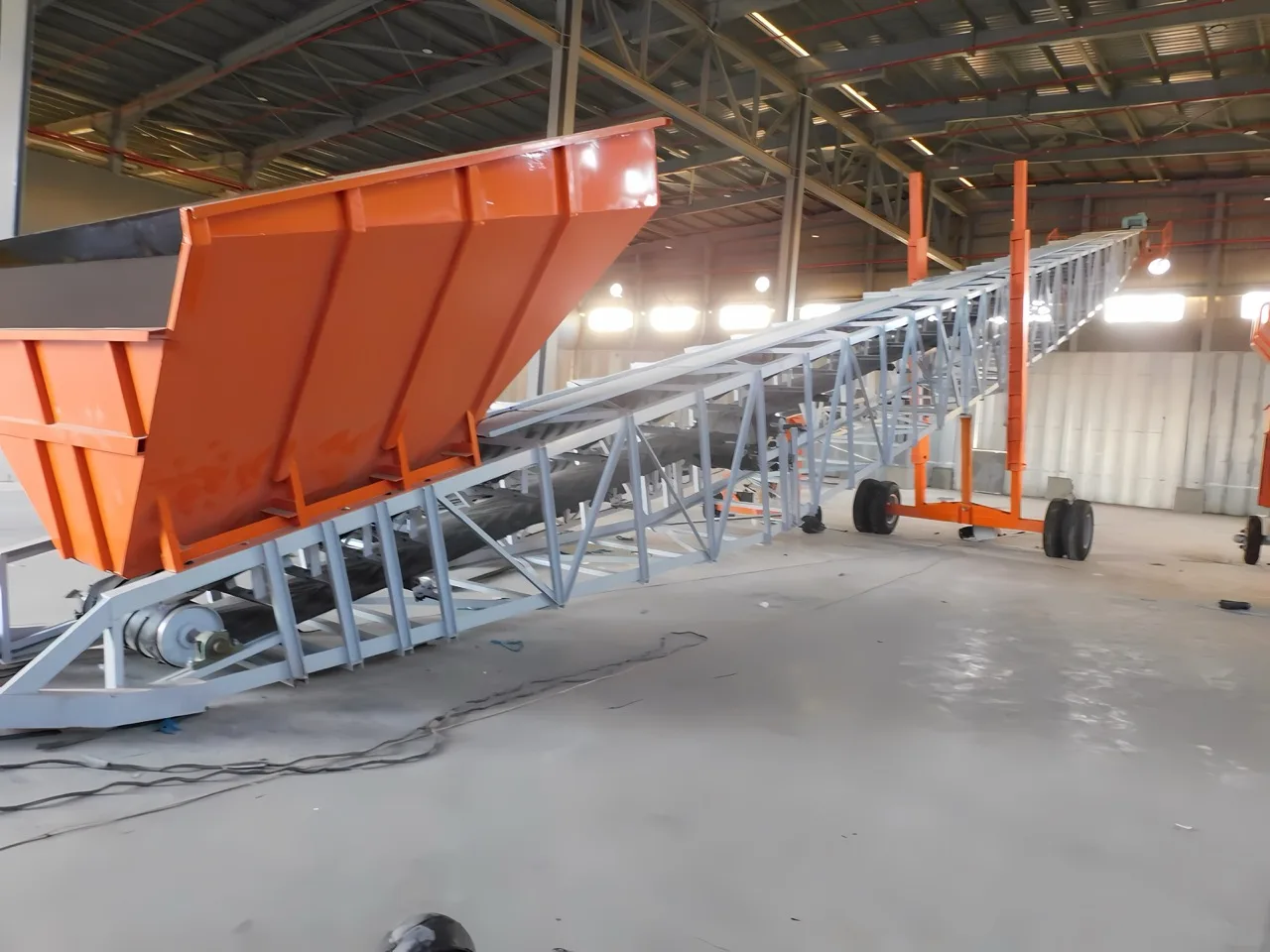
Conveyor Belt Maintenance
Daily Checks
- Check belt tracking — a misaligned belt causes edge wear and material spillage
- Inspect belt surface for cuts, tears and splice condition
- Check all idler rollers are spinning freely — a seized roller creates a hot spot that burns the belt
- Inspect the skirt board seals for spillage points
Belt Splices
Mechanical splices should be inspected weekly. Vulcanized splices last longer but require specialist repair. Always maintain a length of spare belt on site for emergency repairs.
General Principles
- Lubrication is the single most important maintenance task — most bearing failures are lubrication failures
- Vibration analysis catches problems 2–4 weeks before breakdown — invest in a simple handheld analyzer
- Keep critical spare parts on site — lead times for imported parts can be 4–8 weeks
- Train your operators — they are the first line of maintenance and the first to notice change
Pillar provides after-sales technical support and spare parts supply for all equipment we manufacture and import. Contact us to set up a maintenance schedule for your plant.