
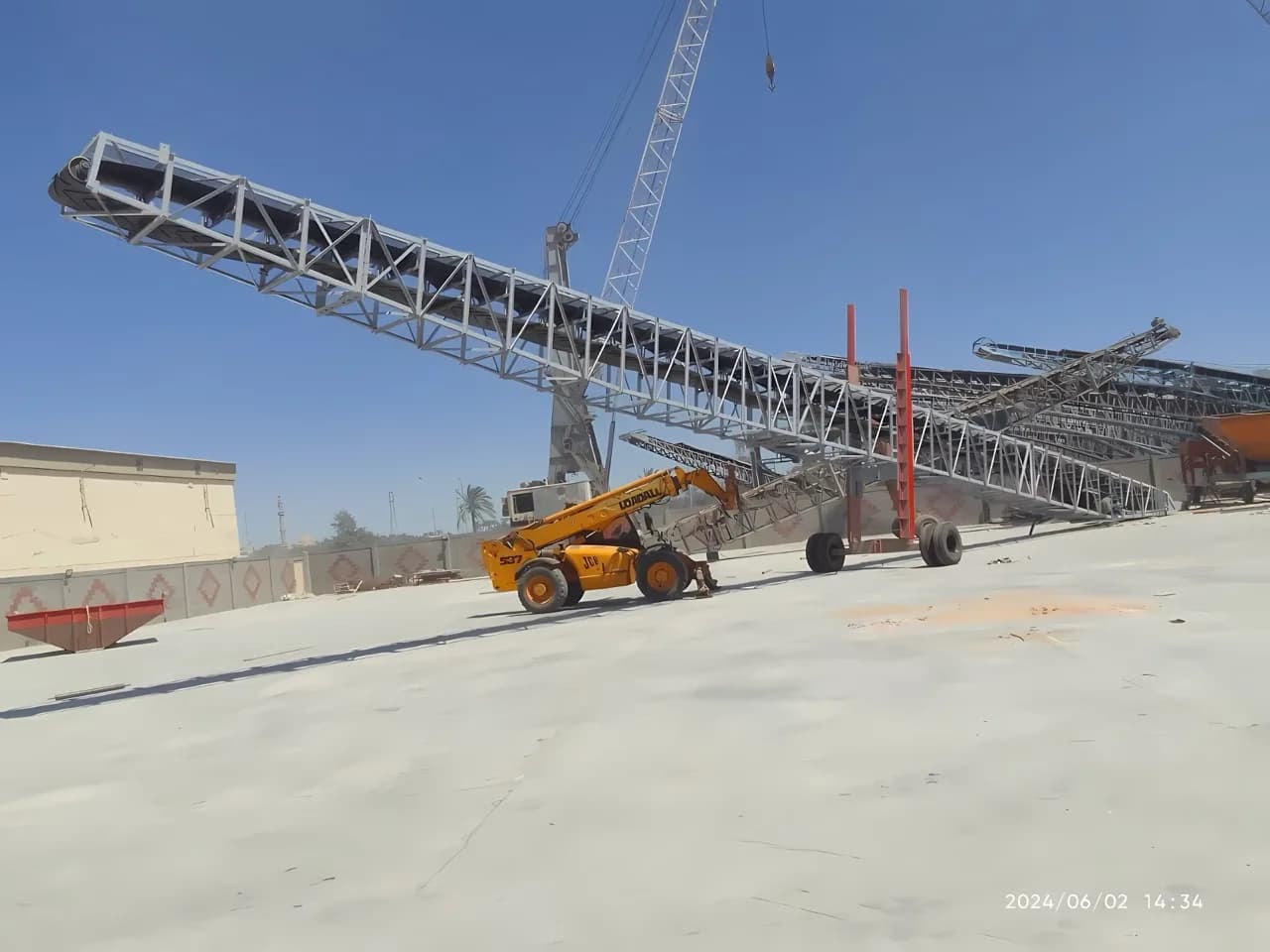
Phosphate Screening Plant Capacity Planning: How to Avoid Bottlenecks in 2026
A field-tested method for sizing phosphate screening lines with stable throughput and lower rework.
May 16, 20261 min read
Share:
What is changing in phosphate demand planning
Buyers searching for phosphate screening plant and phosphate beneficiation equipment now prioritize throughput consistency over nameplate capacity. A plant advertised at high tons/hour but unstable over shifts loses contracts.
Capacity planning sequence
- Define feed variability by shift and by pit zone.
- Set cut-size windows tied to customer specs.
- Size screen decks and recirculation loop together, not separately.
- Protect transfer continuity using Conveyor Belt System.
Where bottlenecks usually happen
Bottlenecks often appear between primary reduction and screening. If top size is too wide, the screen does not classify efficiently and recirculation grows. Pairing Jaw Crusher with tuned screen settings reduces this risk.
Backlinks and resources
- USGS: Phosphate Rock Statistics
- USGS 2026: Phosphate Rock chapter
- World Bank: Commodities Price Data (Pink Sheet)
Project reference: Phosphate Screening Plant — Sinai.